Contact Us

If you have any questions about the services we provide simply use the form below. We try and respond to all queries and comments within 24 hours.

    captcha

    Motorcycle Trip in Nepal – Important Information

    Experience the ultimate motorcycle trip in Nepal and discover one of the world’s most thrilling riding destinations. Nepal offers an unforgettable blend of Himalayan landscapes, remote mountain trails, ancient culture, and challenging off-road adventures that attract motorcycle enthusiasts from around the globe. Whether you are an experienced rider or an adventure seeker looking for a once-in-a-lifetime journey, a motorcycle tour in Nepal promises excitement, freedom, and breathtaking scenery at every turn.

    One of the most iconic adventures is the Mustang Motorcycle Tour in Nepal, a spectacular ride beyond the Annapurna mountain range into the legendary Upper Mustang region. This extraordinary journey takes riders through dramatic valleys, rugged terrain, traditional Himalayan villages, and one of the deepest gorges in the world — the Kali Gandaki Gorge. The route is widely regarded as one of the most scenic and adventurous motorcycle roads in the Himalayas.

    Nepal is considered a safe and welcoming destination for international travellers and motorcycle riders. The warm hospitality of the Nepalese people, combined with the country’s rich cultural heritage and natural beauty, makes every motorcycle trip in Nepal a truly rewarding experience. However, riders should understand that Nepal is still a developing country, especially in remote mountain regions. Road conditions, infrastructure, and facilities may differ significantly from those found in Europe or other developed nations, which is part of the authentic adventure experience.

    Best Time for a Motorcycle Trip in Nepal

    The best seasons for a motorcycle tour in Nepal are spring (March to May) and autumn (September to November), when the weather is generally stable, skies are clear, and mountain views are at their finest. Winter rides until February can also be enjoyable in many regions with cooler temperatures and less traffic.

    The monsoon season, usually from June to August, brings heavy rainfall that can create difficult riding conditions, including landslides, muddy roads, and flooding in certain areas. Riders travelling shortly after the monsoon should also be prepared for occasional rain showers and rough road sections that may not yet be fully repaired. Carrying quality waterproof riding gear is highly recommended for comfort and safety.

    Adventure Riding Conditions in Nepal

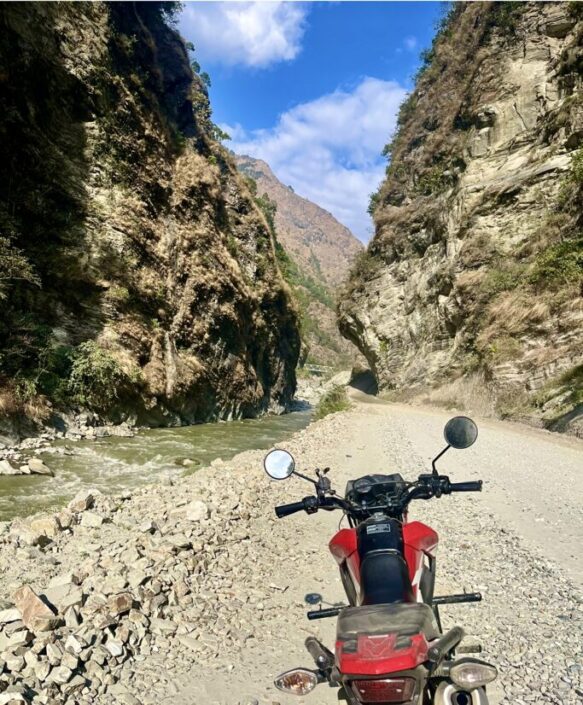
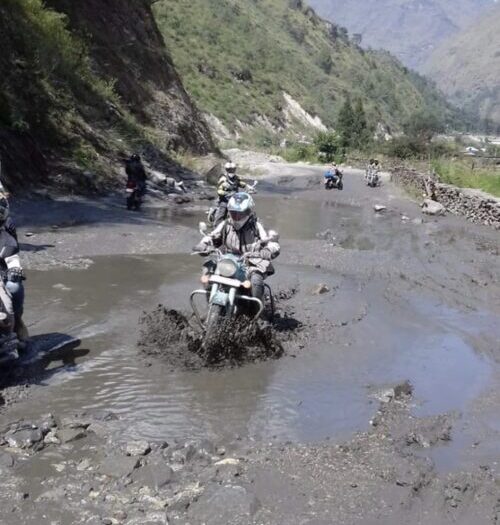
    A motorcycle trip in Nepal is not just a scenic ride — it is a real adventure. Riders must stay alert and focused while enjoying the incredible Himalayan scenery. Mountain roads can be steep, narrow, muddy, rocky, and slippery, with occasional river crossings and unpredictable terrain. These challenging conditions make Nepal one of the most exciting motorcycle adventure destinations in the world.

    Riders should always ride within their skill level and avoid taking unnecessary risks. Patience, preparation, and careful judgement are essential for a safe and enjoyable journey. For solo riders, seeking local assistance when needed is highly recommended. For group tours, having an experienced support team and mechanical backup can make the adventure smoother and safer, especially in remote mountain areas.

    A few important steps help you accomplish your riding trips:

    Our mission is to get you to your planned destination, have a beautiful experience filled with enjoyment from the trip, and return home safely. Safety when riding comes first to prevent injury and save life. Safe-riding tips are mentioned below to raise your awareness and clarify how we ride in Nepal.

    Riding Solo: Riding alone without a companion

    A solo rider has little to consider, but plan your journey carefully. Start early and finish early is always best here in Nepal as you may get unexpected stoppages sometimes during the journey due to poor road infrastructure, traffic incidents, or sudden protests etc. It is always a good idea to ask the locals at your hotel about the situation before you proceed to your next destination.

    Riding in a group: Riding in a team of 2 or more

    While you ride in Nepal, follow the following steps:

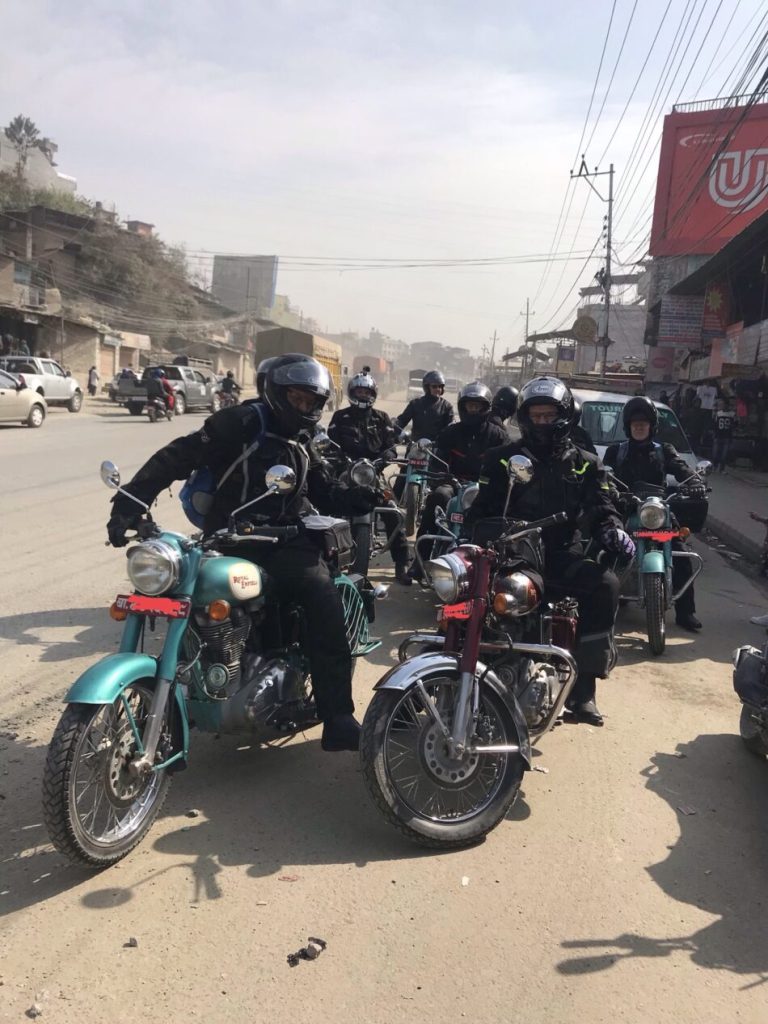
    • – Stay as a group when you are riding with friends.
    • – Never leave the mechanic if you have one and are riding with a support team.
    • – Follow the tour leader.
    • – Keep a safe braking distance.
    • – Do not panic if you get lost or miss the road. Navigate your way back or stay where you are confused until one of your support member finds you.
    • – Get involved in rehearsal prior to departure for a ride to get used to in the event of lost or unexpected incidents.
    • – Please keep a record of the contact number of a guide, mechanic, or tour leader.
    Mechanical issue with your motorcycle:

    Motorcycle stops and won’t start:
    • – Do not panic!
    • – Turn off the key once, then try to start the bike using the correct method. Rush creates more trouble.
    • – If failed to start multiple times – do not use electric-start continually—the battery may drain and clutch sprag will wear out too, that leads to engine lock up.
    • – Use the kick start method properly to start the bike
    • – Never try to repair a bike yourself if you don’t have any mechanical knowledge.
    • – Stay where you are stopped and ask for help if some riders show up interest in your situation. Mostly on Nepalese roads these days, many youngsters have emerged as passionate riders, travellers, and bloggers who are found to be great helpers to other bikers.

    Nepal is a tourist-friendly country as we have a concept of thinking that guests are representations of gods. Nepal is not only beautiful but also a perfectly safe country for everyone living here or visiting here. If you are riding in a group, you shouldn’t worry as you will be searched by support staff. Inform the mechanic immediately about any issues you encounter. 

    Healthy Bike – Healthy Ride – Healthy Ride – Happy Guy

    Tyre Puncture/ways to avoid:

    A significant amount of time gets wasted if you get a puncture on the tour.

    Precautions for tyre punctures:

    On the Highway: There are lots of nails on the road, especially in ditches, so avoid ditches and potholes while riding along the Nepalese Highway.

    On off-road: Never ride over sharp stones and avoid wheel spins on those rocks.

    Traffic in Nepal & Safe Riding Tips:
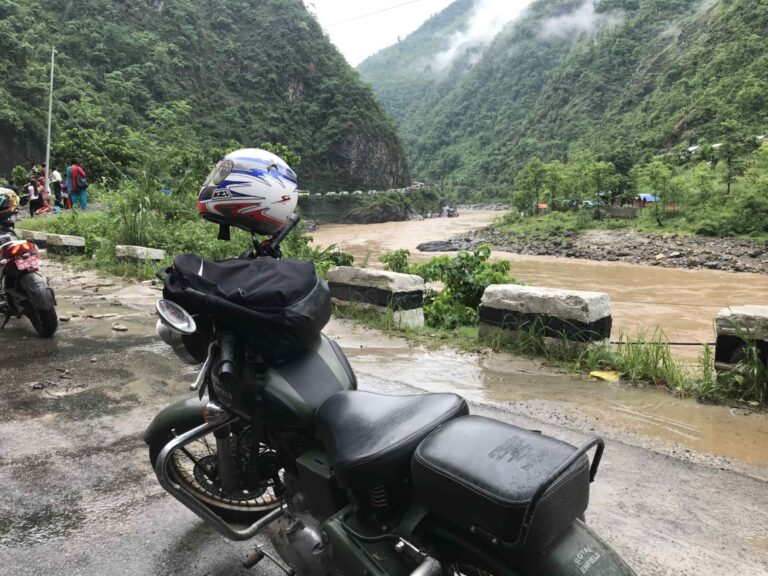
    Royal Enfield 500 on Nepal road

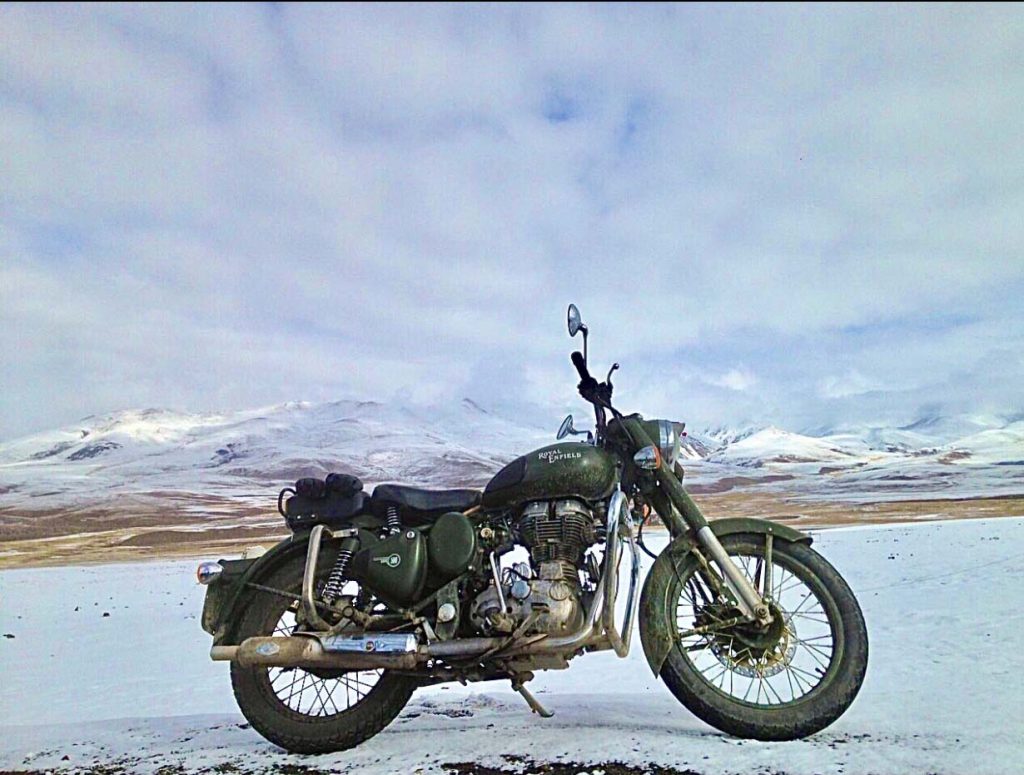
    Royal Enfield 500 Battle Green

    World-class traffic rules are in place in Nepal, but there are only a few people who follow traffic rules while driving, so

    1. Always ride defensively by thoroughly understanding the situation.Always protect yourself. Do not expect from other traffic.
    2. Never expect other traffic to give you the right of way. Make your own way very carefully and with good anticipation.
    3. Always use horn in time, when you see hazards, going around bends & overtaking.
    4. Always prepare to move to the left side of the road or stop instantly when you meet an overtaking vehicle from the opposite side.
    5. Always stay in your lane unless necessary. Think about lane discipline!
    6. Never ever overtake around bends.
    7. Never do excessive banking on any Royal Enfield, otherwise the foot rest may touch the road and you may lose control.
    8. Always maintain a gap and keep your braking distance.
    9. Always ride at your controllable speed. It depends on individual riding skills, experience, and the condition of the road and the capacity of the bike.
    10. Ride carefully in the cities (speed limit is 40 km/h). Get familiar with how traffic is flowing.
    11. Never ever stop in the middle of the carriageway under any circumstances. Always use your indicator, check traffic and pull over only at a safe place for stops.
    12. Follow traffic light signals.
    13. Always wear a helmet. If you have good riding gear, it is a clear definition of your awareness.
    POLICE CHECK

    Always cooperate with the police politely when you are going through their checkpoints. They are there to help, so do not hesitate to get assistance if necessary.

    PARKING MOTORBIKE
    • – Always park your motorcycle in a safe location during the day and lock the handle.
    • – At night, always park your motorcycle on the centre stand and in close proximity.
    • – Never leave your motorcycle on a public road overnight.
    • – Start and let your motorcycle run for 10 minutes, even if you are not using it every day, to make sure everything is functional for the next trip.
    • – To avoid unexpected breakage, never turn a motorcycle around using a side parking stand.
    Ways to solve the starting problem on motorcycles – Royal Enfield

    Get free mechanical assistant from Bikemandu Motorcycle Club  “BME”HUB

    Basic tips are listed below, if you struggle with starting your motorcycle. For combustion, an engine needs three fundamentals: fuel + air + electricity.

    1. Lift the fuel tank lid to let trapped air out of the tank. The trapped air can create a vacuum and prevent fuel transmission from the fuel tank to the engine.
    2. Check – fuel level by rocking the bike left and right, sometimes the fuel indicator can be faulty.
    3. Check – the spark plug is securely connected.
    4. Check – the air hose from the air filter box to the carburettor or throttle body to the engine is properly connected.
    5. Check electricity by pressing the horn. If it beeps – the motorcycle has electricity.
    6. If a motorcycle is equipped with carburetor, check the fuel supply switch under the tank is not in the “OFF” position. The fuel supply switch must be either “ON” or Reserve – if less fuel remains in the tank.
    7. If your motorcycle has a kick lever, lubricate the piston and cylinder wall by kicking the lever a couple of times.
    8. Now, press the electric start button not exceeding 2 –3 seconds after turning on the red ignition button.
    A. Motorcycle starts:

    Let it warm up for 2 – 5 minutes before the ride. Chill out. Grab a cup of coffee before you go!

    B. Motorcycle Fails to Start

    If the motorcycle has an electronic fuel ignition system and has a choke lever. Press the lever then repeat no 8.

    C. Motorcycle starts

    Let it warm up for 2 – 5 minutes before the ride.

    D. Motorcycle doesn’t start:

    Repeat no 8. You may use kick start for better efficacy!

    Motorcycle has Carburettor. Pull the choke lever at the carburettor then repeat no 8. You may use kick start for better efficacy.

    E. Motorcycle still doesn’t start: 

    Look around some garages nearby. Ask for assistance with locals or passers by. In Nepal, there are many workshops almost everywhere along the roads. If it is difficult to find assistance, call Bikemandu 24 Hour Service/WhatsApp: +977 9803522833 and we will find a way to get you moving from there. Service available to Bikemandu customers only. Sorry, we can’t advise others.

    Ready to Ride Nepal?

    • Motorcycle Trip in Nepal – Important Information

      Experience the ultimate motorcycle trip in Nepal and discover one of the world’s most thrilling riding destinations. Nepal offers an unforgettable blend of Himalayan landscapes, remote mountain trails, ancient culture, and challenging off-road adventures that attract motorcycle enthusiasts from around the globe. Whether you are an experienced rider or an adventure seeker looking for a once-in-a-lifetime journey,…

    • Ride to Mustang Nepal: Essential Tips to Avoid Motorcycle Falls and Damage

      A motorbike ride to Mustang is a difficult ride for most riders, but for some it is an intermediate ride. The road has many difficult sections, so you need to work as a team in a group, helping each other in those difficult places. Solo riders need to be more cautious. How to Ride Downhill?…

    • Royal Enfield Classic, what you need to know?

      Royal Enfield Classic motorcycles are the iconic iron horses of the Himalayas, leaving a deep emotional imprint on riders for over a century. The ride experience, the majestic feel of its quality retro look, and the instant creation of a bond with the machine always make a perfect memory after you complete a trip. However,…

    • Motorcycle, Scooter, Car, Bus, Truck, Machinery vehicle Tax Rate 2079/80|Province 1 – 7

      The government of Nepal has implemented a new vehicle tax in Nepal mostly on all types of vehicles from the fiscal year 2079/2080. The Tax Rate depends on the CC of vehicle engine. Hence, the amount of payment for the vehicle tax are listed below for your information after the implementation of the new tax…

    • Tibet Motorcycle Tour Requirements (Visa, Permits & Rules 2026 Guide)

      Tibet is one of the most breathtaking but strictly regulated motorcycle destinations in the world. Riders planning a journey from Nepal or China must understand that this is not a “free ride” destination—permits, visas, and organised travel rules are mandatory. In this guide, you’ll learn the exact requirements for a Tibet motorcycle tour, including visas, permits,…

    • Ride to Success: Partner with Bikemandu for Thrilling Motorcycle Tours

      Welcome to the open road, where adventure awaits around every twist and turn. Tie up and start making money with Bikemandu. As motorcycle tour companies gear up to provide riders with unforgettable experiences. Bikemandu invites tour operators from across the globe to join forces and take their tours to new heights. Unlock a World of Possibilities:  At Bikemandu,…

    • Ride the Himalayas: Your Guide to Motorcycle Rentals and Tours in Nepal

      Nepal, a land of breathtaking landscapes, towering mountains, and vibrant culture, is best explored on two wheels. Read our guide to motorcycle rentals and tours in Nepal – those seeking adventure, freedom, and an unforgettable experience, motorcycle tours through Nepal diverse and jaw dropping terrain.. At Bikemandu,  we offer everything you need for a thrilling…

    • Can Foreigners Sell Their Motorcycles in Nepal?

      Everyone is not sure about how can foreigners sell their motorcycles in Nepal? It really was a burning question until we dug the information related to this inquiry. In Nepal, the sale and ownership of motorcycles by foreigners can be a complex topic due to the country’s strict regulations on vehicle imports and ownership. While…
    No comments on Motorcycle Trip in Nepal – Important Information
    0

    Ride to Mustang Nepal: Essential Tips to Avoid Motorcycle Falls and Damage

    A motorbike ride to Mustang is a difficult ride for most riders, but for some it is an intermediate ride. The road has many difficult sections, so you need to work as a team in a group, helping each other in those difficult places. Solo riders need to be more cautious.

    1. Do not do forced riding!
    2. Ride technically and carefully over difficult obstacles such as rocks, mud, sand, and water crossings. Use first gear while ascending a steep unpaved road.
    3. Avoid stopping in the middle of the climb. For that, look, analyse, plan, and ride.
    4. While descending, use the engine braking system, or for very slow descending on steep downhills, use both brakes by depressing the clutch to avoid stalling.
    5. Nepalese Off road is always difficult to ride, so you need to ride very carefully here.
    6. Bikes may fall down while riding off road if you do not concentrate on riding due to unpredictable rough terrain. Always concentrate while going through the difficult sections!
    7. If your motorcycle has low ground clearance, you need to take care while going over stones, rocks, big holes and crossing water. Not paying attention while riding over humps, rocks etc can break or damage underside of the engine.
    8. Do not spin wheel too much to avoid breakage of rear sprocket if you are riding Royal Enfield Classic.
    9. Avoid riding on half clutch uphill especially if you are riding Himalayan.
    10. Check nuts, bolts, oil level, brakes etc. before and after finishing the ride.
    11. Do not rush and hesitate! Help each other or seek help with a support team

    How to Ride Downhill?  Watch Video

    Traffic in Nepal & Safe Riding Tips:

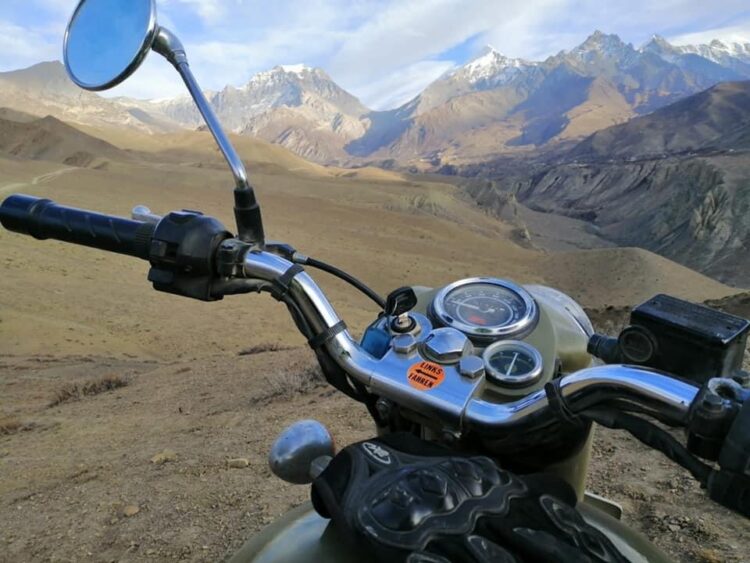
    Royal Enfield 500 in Mustang

    Royal Enfield 500 Ride in Mustang Himalayas

    World-class traffic rules are placed in Nepal, but there are only a few people who follow traffic rules while driving, so

    1. Always ride defensively by thoroughly understanding the situation.Always protect yourself. Do not expect from other traffic.
    2. Never expect other traffic to give you the right of way. Make your own way very carefully and with good anticipation.
    3. Always use horn in time, when you see hazards, going around bends & overtaking.
    4. Always prepare to move to the left side of the road or stop instantly when you meet an overtaking vehicle from the opposite side.
    5. Always stay in your lane unless necessary. Think about lane discipline!
    6. Never ever overtake around bends.
    7. Never do excessive banking on any Royal Enfield, otherwise the foot rest may touch the road and you may lose control.
    8. Always maintain a gap and keep your braking distance.
    9. Always ride at your controllable speed. It depends on individual riding skills, experience, and the condition of the road and the capacity of the bike.
    10. Ride carefully in the cities (speed limit is 40 km/h). Get familiar with how traffic is flowing.
    11. Never ever stop in the middle of the carriageway under any circumstances. Always use your indicator, check traffic and pull over only at a safe place for stops.
    12. Follow traffic light signals.
    13. Always wear a helmet. If you have good riding gear, it is a clear definition of your awareness.

    Police Check

    Always cooperate with the police politely when you are going through their checkpoints. They are there to help, so do not hesitate to get assistance if necessary.

    Parking Motorcycle

    • Always park your motorcycle in a safe location during the day and lock the handle.
    • At night, always park your motorcycle on the centre stand and in close proximity.
    • Never leave your motorcycle on a public road overnight.
    • Start and let your motorcycle run for 10 minutes, even if you are not using it every day, to make sure everything is functional for the next trip.
    • To avoid unexpected breakage, never turn a motorcycle around using a side parking stand.
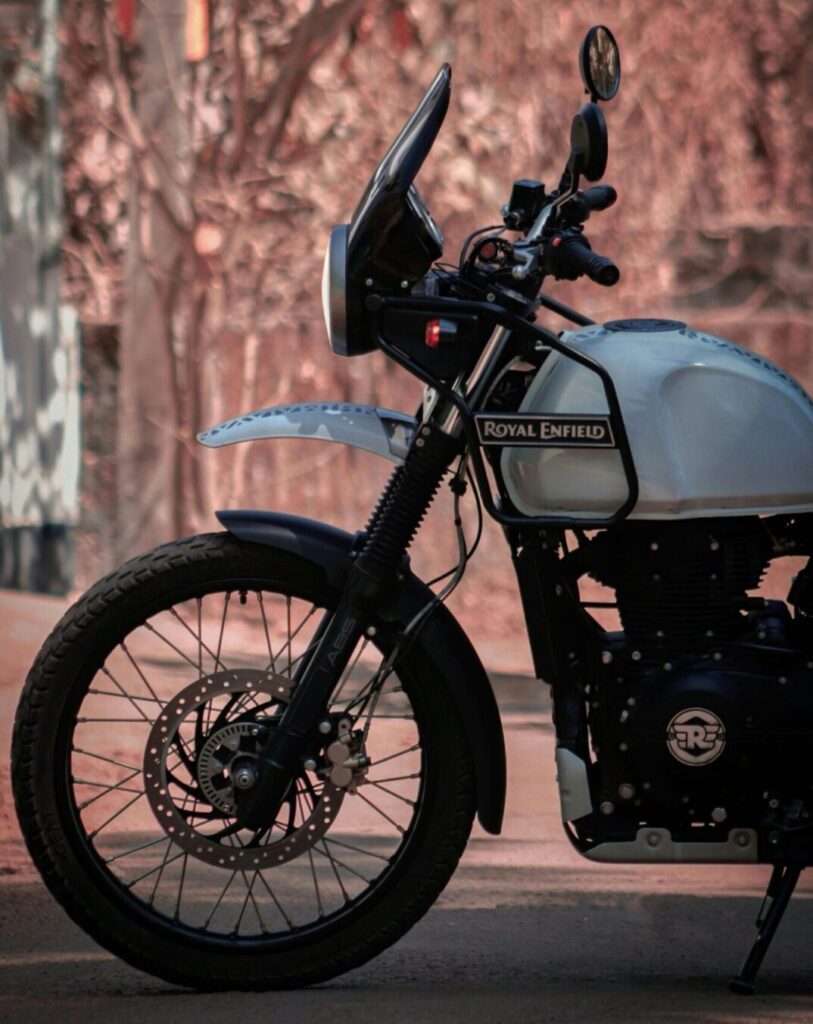
    Royal Enfield Himalayan EFI

    Your motorcycle accidentally stops in the journey – What to do next?

    Take a deep breath. A bike stopping on the road can be frustrating, especially when you’re tired or angry—but don’t let those feelings take control. Hitting or damaging the motorcycle won’t help; it’ll only make things worse. Instead, pause, steady yourself, and remember the basic starting steps—check the fuel, battery, ignition, and switches calmly. Never leave your bike unattended, no matter how upset you feel. A few minutes of patience can save you from losing your machine or creating a bigger problem. Stay calm, think clearly, and get back on the road safely.

    Seek free mechanical assistant from Bikemandu Motorcycle Club  “BME”HUB

    Basic tips are listed below, if you struggle with starting your motorcycle. For combustion, an engine needs three fundamentals: Fuel, Air, Electricity.

    1. Remove the fuel tank lid to let trapped air out of the tank. The trapped air can create a vacuum and prevent the passage of fuel from the fuel tank to the engine.
    2. Check the fuel level by rocking the bike left and right, sometime fuel indicator can be faulty.
    3. Check that the spark plug is securely connected.
    4. Check that the air hose from the air filter box to the carburettor or throttle body to the engine is properly connected.
    5. Check the electricity by pressing the horn. beeps, the motorcycle has electricity.
    6. If a motorcycle is carbureted, check that the fuel supply switch under the tank is not in the “OFF” position. The fuel supply switch must be either “ON” or “Reserve” if less fuel remains in the tank.
    7. If your motorcycle has a kick lever, lubricate the piston and cylinder wall by kicking the lever a couple of times.
    8. Press the start button for 2 –3 seconds after turning on the red ignition button.

    Motorcycle Starts

    Let it warm up for 2 minutes before the ride


    Motorcycle Doesn’t Start

    • Motorcycle is Electronic fuel injection and has a choke lever – Press the lever then repeat no 8.
    • Motorcycle has Carburettor. Pull the choke lever at the carburettor then repeat no 8

    Motorcycle Starts

    Let it warm up for 2 minute before the ride.


    Motorcycle doesn’t start

    Repeat the procedure 8a. Use kick start for better efficacy!


    Leave a Reply

    Your email address will not be published. Required fields are marked *

    Royal Enfield Classic, what you need to know?

    Royal Enfield Classic motorcycles are the iconic iron horses of the Himalayas, leaving a deep emotional imprint on riders for over a century. The ride experience, the majestic feel of its quality retro look, and the instant creation of a bond with the machine always make a perfect memory after you complete a trip. However, to every good thing, there must be some flaws because no one or nothing is perfect in this world. A few things to consider and you are ready to hit the Himalayan roads on the legendary Royal Enfield, which is one of the oldest surviving motorcycle brands in the world.
    Want to Ride Royal Enfield? 

    Despite its retrospective look, legendary legacy and appealing to you, it needs a little care to make it your satisfying reliable company.

    Royal Enfield rear Sprocket: Unlike other motorcycles, the Royal Enfield Bullet rear sprocket is a little fragile and tends to get broken on the following occasions: if gear is not properly used according to speed and terrain.

    Maximum Spinning of wheels on off road while going rough uphill:

    Precaution: Get on 1st gear and use the torque of a 500 CC single to gently glide over the rough uphill at possibly low engine rpm. Because the Royal Enfield 350 has less torque than the Royal Enfield 500, it requires more revving and constant momentum while ascending a high gradient dirt road and may feel a little underpowered.

    Misuse or stunts: 

    Royal Enfield is not purposely built for stunts and misuse. No matter what level of riding skill you have, the ride becomes more enjoyable, adventurous, and indelible if you ride without hurry, blunder, or crazy actions, and consistently flow with traffic.

    Treat Gently, avoid mistreats:

    Royal Enfields are not meant to ride 0–60 kmph in under 4 secs or even 6–7–8 seconds. They are purposely built for smooth cruising with gentle accelerations, that beautifully reflects your classic gentleman’s outlook. Better avoid sudden full throttle accelerations on Royal Enfield as it gives lagging response. You know it’s a retro classic motorcycle. If you are fond of sudden acceleration, KTM, Honda, Yamaha, BMW would be the perfect thumbs up for that matter. RE’s engine and engines like that of Honda’s are poles apart. 

    In Nepal, Motorcycle parts are expensive in comparison to other neighbouring countries or probably than all over the world:

    If you fall down, the bill will be waiting for you according to the damage. In the event of a fall down on land, do not rush to start your bike immediately. Make sure you are calm first, have no injuries, and are fit to ride. Get the bike on a stand properly. Reset the ignition key and wait for at least 1 minute before starting the bike. Seek help if necessary! In the event of a fall while crossing water, and if the engine is switched off, never attempt to start the bike in the water. Get the bike out of the water, then let it dry before starting. Starting a motorcycle in the water after falling down can seriously damage the fuel system and air intake system, which consequently damages the engine seriously.

    How to start Royal Enfield motorcycle?

    Seek free mechanical assistant from Bikemandu Motorcycle Club  “BME”HUB

    Basic tips are listed below, if you struggle with starting your motorcycle. For combustion, an engine needs three fundamentals: fuel, air, and electricity.

    1. Remove the fuel tank lid to let trapped air out of the tank. The trapped air can create a vacuum and prevent the passage of fuel from the fuel tank to the engine.
    2. Check the fuel level by rocking the bike left and right, sometime fuel indicator can be faulty.
    3. Check that the spark plug is securely connected.
    4. Check that the air hose from the air filter box to the carburettor or throttle body to the engine is properly connected.
    5. Check the electricity by pressing the horn. beeps, the motorcycle has electricity.
    6. If a motorcycle is carbureted, check that the fuel supply switch under the tank is not in the “OFF” position. The fuel supply switch must be either “ON” or “Reserve” if less fuel remains in the tank.
    7. If your motorcycle has a kick lever, lubricate the piston and cylinder wall by kicking the lever a couple of times.
    8. Press the start button for 1–3 seconds after turning on the red ignition button.

    Motorcycle Starts: Let it warm up for 2 minutes before the ride

    Motorcycle doesn’t start:

    8a. Motorcycle is EFI and  has choke lever. Press the lever then repeat no 8. Motorcycle starts. Let it warm up for 2 minute before the ride.

    Motorcycle doesn’t start: Repeat the procedure 8a. Use kick start for better efficacy!

    8b. Motorcycle has Carburettor. Pull the choke lever at the carburettor then repeat no 8

    Motorcycle doesn’t start: Repeat the procedure 8a. Use kick start for better efficacy!

    Rent Royal Enfield with Bikemandu!

    Motorcycle, Scooter, Car, Bus, Truck, Machinery vehicle Tax Rate 2079/80|Province 1 – 7

    The government of Nepal has implemented a new vehicle tax in Nepal mostly on all types of vehicles from the fiscal year 2079/2080. The Tax Rate depends on the CC of vehicle engine. Hence, the amount of payment for the vehicle tax are listed below for your information after the implementation of the new tax rate in all provinces 1-7.

    Private Vehicles Taxes

    Vehicle Type – Motorcycle/Scooters
    CC                          Province 1 (Koshi)
    Up to 125cc            Rs. 2800
    126cc to 250cc       Rs. 4500
    251cc to 400cc       Rs. 9000
    Above 400cc          Rs. 16,500

    CC                           Province 2 (Janakpur)
    Up to 125cc             Rs. 2700
    125cc to 160cc        Rs. 4500
    161cc to 250cc        Rs. 6000
    251cc to 400cc       Rs. 10,000
    Above 400cc           Rs. 17,000

    CC                           Province 3 (Hetauda)
    Up to 125cc             Rs. 3000
    125cc to 150cc        Rs. 5000
    150cc to 225cc        Rs. 6500
    225cc to 400cc       Rs. 11000
    400cc to 650cc       Rs. 20,000
    Above 650cc           Rs. 30,000

    CC                           Province 4 (Pokhara)
    Up to 125cc             Rs. 2600
    125cc to 250cc        Rs. 4500
    251cc to 400cc       Rs. 9500
    Above 400cc           Rs. 20,000

    CC                           Province 5 (Butwal)
    Up to 125cc             Rs. 2500
    125cc to 250cc       Rs. 4500
    251cc to 400cc       Rs. 9500
    Above 401cc           Rs. 20,000

    CC                      Province 6 (Birendraagar)
    Up to 125cc            Rs. 2500
    126cc to 250cc      Rs. 4000
    251cc to 400cc      Rs. 8000
    Above 401cc          Rs. 15,000

    CC                         Province 7 (Godawari)
    Up to 125cc            Rs. 2500
    126cc to 150cc       Rs. 4500
    151cc to 250cc       Rs. 5500
    251cc to 400cc      Rs. 8000
    Above 401cc         Rs. 9,000

    To find out your province >>

    Vehicle Type – Car, Jeep, Van, and MicroBus

    CC                                  Province 1
    Up to 1000cc                 Rs. 21,000
    1001cc to 1500cc          Rs. 23,000
    1501cc to 2000cc          Rs. 30,000
    2001cc to 2500cc         Rs. 35,500
    2501cc to 2900cc         Rs. 41,000
    Above 2901cc                Rs. 58,500/-

    CC                                    Province 2
    Up to 1000cc                   Rs. 20,000
    1000cc to 1500cc           Rs. 22,000
    1501cc to 2000cc           Rs. 25,000
    2001cc to 2500cc           Rs. 35,000
    2501cc to 2900cc           Rs. 40,000
    Above 2900cc                 Rs. 55,000

    CC                                   Province 3
    Up to 1000cc                  Rs. 22,000
    1000cc to 1500cc           Rs. 25,000
    1500cc to 2000cc           Rs. 27,000
    2000cc to 2500cc          Rs. 37,000
    2500cc to 3000cc          Rs. 50,000
    3000cc to 3500cc          Rs. 60,500
    Above 3500cc                 Rs. 65,000

    CC                                  Province 4
    Up to 1000cc                  Rs. 20,000
    1001cc to 1500cc           Rs. 22,000
    1501cc to 2000cc          Rs. 25,000
    2001cc to 2500cc         Rs. 34,000
    2501cc to 2900cc         Rs. 40,000
    Above 2900cc               Rs. 56,000

    CC                                  Province 5
    Up to 1000cc                 Rs. 20,000
    1001cc to 1500cc           Rs. 22,000
    1501cc to 2000cc          Rs. 25,000
    2001cc to 2500cc         Rs. 34,000
    2501cc to 2900cc         Rs. 39,000
    Above 2900cc               Rs. 55,000

    CC                                  Province 6
    Up to 1000cc                 Rs. 19,000
    1001cc to 1500cc           Rs. 21,000
    1501cc to 2000cc          Rs. 23,000
    2001cc to 2500cc         Rs. 32,000
    2501cc to 2900cc         Rs. 37,000
    Above 2900cc               Rs. 53,000

    CC                                  Province 7
    Up to 1000cc                 Rs. 19,000
    1001cc to 1500cc          Rs. 21,000
    1501cc to 2000cc         Rs. 23,000
    2001cc to 2500cc         Rs. 32,000
    2501cc to 2900cc         Rs. 37,000
    Above 2900cc               Rs. 53,000

    Machinery Vehicle Type – Crane, Tipper, Roller, Dozer, Excavator, Loader
    Vehicle Type              Yearly Tax Rate (Province 1 – 7)
    Crane, Tipper,     Rs. 38,500 – Rs. 38,500

    Roller, Dozer,

    Excavator,

    Loader                 Rs. 38,500 – Rs. 38,500

    Mini-Tipper        Rs. 27,500 – Rs. 27,500

    Tractor,               Rs. 4500
    Auto Rickshaw,
    Three-wheelers,

    Tempo, Power Tiller  Rs. 4500

    Mini-Truck / Mini-Bus Rs. 24,500 – Rs. 24,500
    Truck / Bus Rs. 33,000 – Rs. 33,000

    Public Vehicles Taxes
    Vehicle Type – Car, Jeep, Van, and MicroBus
    Province (1 – 7)

    CC                                Yearly Tax Rate
    Up to 1300cc             Rs.8,500 – Rs.8,500
    1301cc to 2000cc     Rs. 9,500 – Rs. 9,500
    2001cc to 2900cc     Rs. 11,500 – Rs. 11,500
    2901cc to 4000cc     Rs. 13,500 – Rs. 13,500
    4001cc and higher    Rs. 16,500 – Rs. 16,500

    Electric Vehicles Tax
    CC                           Province 3 (Tax Rate)
    350W-1000W      Rs. 1500
    1001W-1500W     Rs. 2000
    Above 1501W        Rs. 300

    Join us on for having insights on the latest updates on Tours and Travels.
    Facebook 
    Twitter
    YouTube
    Instagram

    AVAILABLE MOTORCYCLE BRANDS IN NEPAL

    * 
Bajaj

    * 
BMW

    * 
Benelli

    * 
Crossfire

    * 
Ducati

    * 
Harley Davidson

    * 
Hartford

    * 
Honda

    * 
Hero

    * 
Jawa

    * 
KTM

    * 
Norton

    * 
Royal Enfield

    * 
Suzuki

    * 
TVS

    * 
Yamaha

    AVAILABLE CAR BRANDS IN NEPAL

    * 
BMW

    * Ford

    * 
Honda

    * 
Hyundai

    * 
Kia

    * 
Mazda

    * 
Mercedes

    * 
Nissan

    * 
Peugeut

    * 
Renault

    * 
Skoda

    * 
Suzuki

    * 
Datsun

    * 
Geely

    * 
Toyota

    * 
VW

    Tibet Motorcycle Tour Requirements (Visa, Permits & Rules 2026 Guide)

    Tibet is one of the most breathtaking but strictly regulated motorcycle destinations in the world. Riders planning a journey from Nepal or China must understand that this is not a “free ride” destination—permits, visas, and organised travel rules are mandatory.

    In this guide, you’ll learn the exact requirements for a Tibet motorcycle tour, including visas, permits, route rules, and real-world insights from experience.

    Can You Ride a Motorcycle in Tibet?

    Yes—but only under strict regulations.

    Foreign riders cannot travel independently in Tibet. You must:

    Independent travel is not allowed for foreigners. Ask questions with our veterans about this ride.

    Tibet Motorcycle Tour Visa Requirements

    To enter Tibet, you cannot use a standard Chinese tourist visa alone.

    You need:

    1. Chinese Group Visa (from Nepal route)

    If entering from Nepal (most common for riders):

    • – Issued through Chinese Embassy in Kathmandu
    • – Must be processed by an authorised tour operator
    • – You cannot apply individually

    2. Chinese Visa (if entering from China mainland)

    • – Requires confirmed itinerary
    • – Must be linked with Tibet Travel Permit

    Tibet Travel Permit (MOST IMPORTANT DOCUMENT)

    The Tibet Travel Permit is mandatory for all foreign travellers.

    Without it:

    • – You cannot board flights/trains to Tibet
    • – You will be stopped at checkpoints

    Key points:

    • – Arranged by your tour operator
    • – Requires passport copy in advance
    • – Takes time to process (usually 10 –20 days)

    No permit = no entry to Tibet

    Motorcycle Permit & Riding Regulations

    For motorcycle tours, additional approvals are required:

    1. Vehicle registration approval (arranged by operator)
    2. Route-specific travel permission
    3. Escort guide mandatory

    Important restriction:

    You cannot:

    1. Ride solo
    2. Change routes freely
    3. Stay in random locations without approval

    Popular Tibet Motorcycle Route (Nepal Entry)

    Most riders start from Nepal:

    Kathmandu → Kyirong → Lhasa → Shigatse → Everest Base Camp (Tibet side)

    This route includes:

    1. High mountain passes
    2. Remote landscapes
    3. Cultural Tibetan towns

    It is one of the most iconic motorcycle routes in the Himalayas.

    Road Conditions & Riding Difficulty

    From real riding experience in the Himalayas:

    1. Roads are mostly paved but remote
    2. High altitude (4,000m–5,200m+)
    3. Weather changes quickly
    4. Oxygen levels are low

    Challenges:

    1. Altitude sickness risk
    2. Cold temperatures even in summer
    3. Long remote stretches with no services

    Riders must be physically and mentally prepared.

    Essential Packing List for Tibet Motorcycle Tour

    You should carry:

    Riding gear:

    1. Heated gloves or winter gloves
    2. Waterproof riding jacket & trousers
    3. Thermal base layers

    Health & safety:

    1. Altitude sickness tablets (consult doctor)
    2. Basic first aid kit
    3. Rehydration salts

    Essentials:

    1. Passport + copies
    2. Power bank
    3. Sunglasses (UV protection is essential)

    Important Travel Rules in Tibet

    Foreign riders must follow strict regulations:

    1. Always stay with your group
    2. Follow guide instructions at all times
    3. No independent detours
    4. Checkpoints are frequent

    Breaking rules can result in penalties or travel cancellation.

    Real Operator Insight (Important)

    From real Himalayan motorcycle operations experience:

    1. Permit processing is the most time-sensitive part
    2. Weather and road conditions can delay routes
    3. Group coordination is essential for smooth travel
    4. Proper acclimatisation is critical before riding high passes

    Many riders underestimate altitude—it is the biggest challenge, not the road.

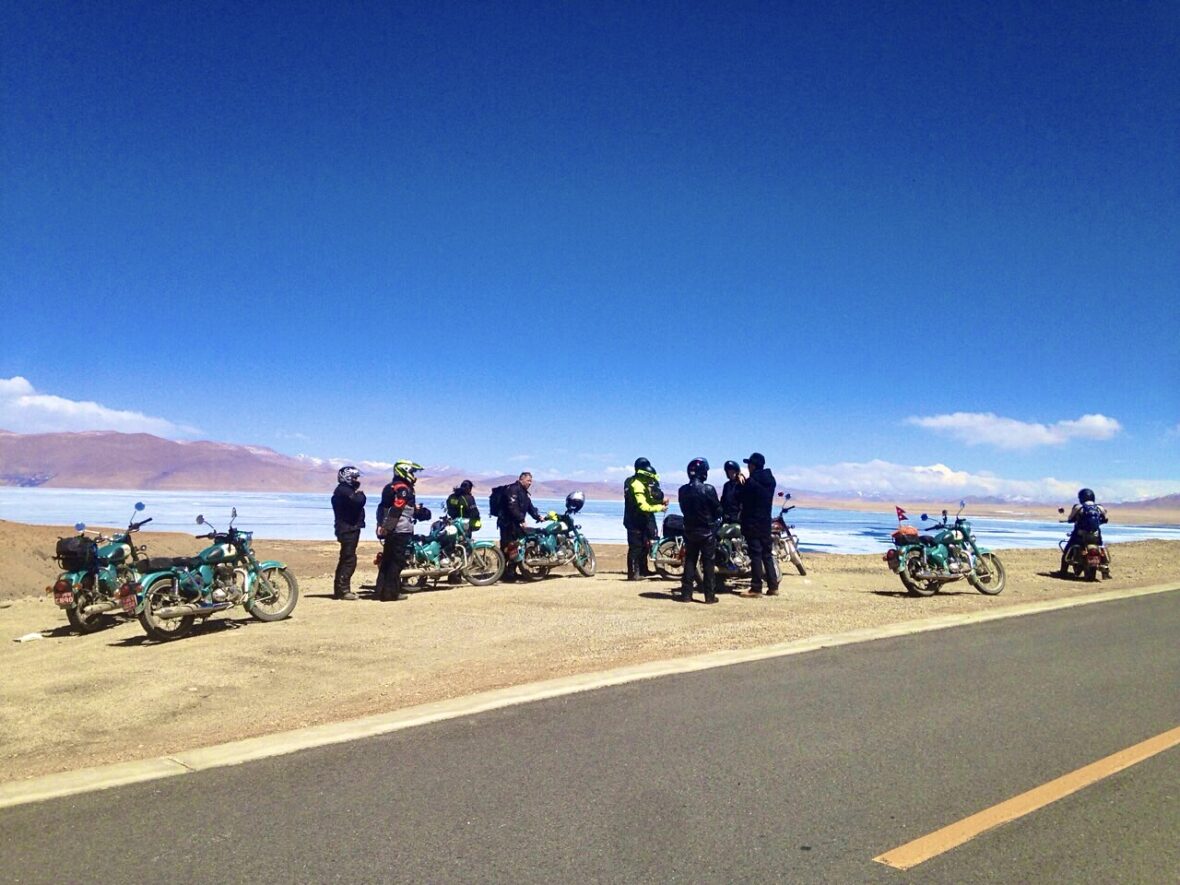
    Tibet motorcycle tour with Bikemandu riding through scenic Himalayan roads, featuring adventure riders and mountain landscapes.

    Best Time for Tibet Motorcycle Tour

    Ideal Riding Season:
    • – May to October
    Best Months:
    • – June
    • – September
    Avoid
    • – Winter (extreme cold)
    • – Early spring (road restrictions)

    May to October are the ideal months for attempting this unforgettable Trans-Himalayan journey.

    Final Thoughts

    A Tibet motorcycle tour is not just a ride—it’s a high-altitude expedition requiring planning, permits, and discipline. If properly prepared, it is one of the most rewarding motorcycle journeys in the world.

    Keep in mind that you are traveling overland to highest plateau in the world; we will be driving consistently above 5000m/16400ft during the journey to Lhasa (3,650m/11,975ft) being the exception. Driving fast at such elevation could lead to medical complications (Acute Mountain Sickness) which could be fatal. There is 50% less oxygen compared to sea level in high-altitudes places like in Tibet. The higher the altitude, the less oxygen in air. Your body needs few days to acclimatize to this environment, which is why we will begin acclimatise from Kerung.

    Participating in this tour means embarking on an adventurous, challenging and truly rewarding motorcycle journey-one that will become a remarkable milestone in your riding diary. It’s an experience you will proudly share for years to come. The highlight of this journey is reaching the Everest Base (5,380 M/17,600 ft) located beneath Mount Everest (8,848 M/29,002 Ft), the highest peak in the world.

    We warmly welcome you to join this unforgettable adventure on the roof of the world!

    FAQs

    Do I need a permit for a Tibet motorcycle tour?

    Yes. All foreign riders must obtain a Tibet Travel Permit, and in most cases additional permits depending on your route. You cannot enter Tibet or travel independently without them. These are arranged through a licensed tour operator.


    Can I ride a motorcycle independently in Tibet?

    No. Foreign travellers are not allowed to ride independently in Tibet. You must join an organised tour with a licensed guide, and follow a fixed itinerary approved by authorities.


    What documents do I need for a Tibet motorcycle tour?

    You typically need:
    1. Valid passport (6+ months validity)
    2. Chinese visa or Chinese group visa (if entering from Nepal)
    3. Tibet Travel Permit (mandatory)
    4. Additional permits for restricted areas (e.g. Everest region)
    Your tour operator arranges most of these on your behalf.


    How long does it take to get a Tibet Travel Permit?

    Usually 10–20 working days, depending on your route and season. It is strongly recommended to apply at least 3–4 weeks in advance to avoid delays.


    Can I get a Tibet visa on arrival?

    You should have:
    1. Experience riding in mountains or long-distance touring
    2. Confidence on mixed road conditions
    3. Good physical fitness for high altitude
    Beginners are not recommended.


    What is the best time for a Tibet motorcycle tour?

    The best season is May to October, when roads are open and weather is more stable. Avoid winter months due to extreme cold and possible closures.


    Why can’t foreigners travel freely in Tibet?

    Tibet is a restricted region, so all foreign travellers must:
    1. Travel with a licensed guide
    2. Follow fixed itineraries
    3. Enter with official permits
    This is strictly controlled by local regulations.


    How difficult is riding in Tibet?

    It is moderately to highly challenging due to:
    1. High altitude effects
    2. Long remote stretches
    3. Cold weather conditions
    4. Limited roadside services
    However, the roads themselves are generally in good condition.

    Ride to Success: Partner with Bikemandu for Thrilling Motorcycle Tours

    Welcome to the open road, where adventure awaits around every twist and turn. Tie up and start making money with Bikemandu. As motorcycle tour companies gear up to provide riders with unforgettable experiences. Bikemandu invites tour operators from across the globe to join forces and take their tours to new heights.

    Unlock a World of Possibilities:  At Bikemandu, we believe that every motorcycle tour should be an epic journey, and we’re here to help tour companies make that a reality. By partnering with us, tour operators gain access to an extensive fleet of premium motorcycles from top brands, ensuring that every rider has the perfect bike for their adventure.

    Streamlined Booking Process:  Say goodbye to paperwork and hello to seamless booking with Bikemandu. Our user-friendly platform allows tour companies to reserve motorcycles for their clients with ease, saving time and hassle. With flexible rental durations and convenient pickup and drop-off locations, organising unforgettable tours has never been easier.

    Tailored Partnership Solutions:  We understand that every tour company is unique, which is why we offer customised partnership solutions to meet your specific needs. Whether you’re looking for exclusive discounts, co-branding opportunities, or marketing support, our team will work with you to create a partnership that aligns with your goals and objectives.

    Global Exposure: Partnering with Bikemandu opens doors to a global audience of riders and travellers. Through our websitesocial media channels, and marketing campaigns, we’ll help you promote your tours to a worldwide audience, increasing your visibility and attracting more customers to your business.

    Expert Support and Guidance: Our team of motorcycle enthusiasts and industry experts is here to support you every step of the way. Whether you have questions about our rental process, need assistance with marketing materials, or want advice on designing unforgettable tour itineraries, we’re here to help you succeed.

    Enhanced Customer Experience:  At Bikemandu, we’re passionate about motorcycles and travel, and we’re committed to providing exceptional service to both our partners and their clients. From the moment your clients reserve a motorcycle through our platform to the end of their tour, we’ll ensure that they have a seamless and memorable experience every step of the way.

    In conclusion, partnering with Bikemandu is the key to unlocking new opportunities and taking your motorcycle tours to the next level. Join forces with us today and together, let’s ride towards success.
    Bikemandu Travels 

    Ride the Himalayas: Your Guide to Motorcycle Rentals and Tours in Nepal

    Nepal, a land of breathtaking landscapes, towering mountains, and vibrant culture, is best explored on two wheels. Read our guide to motorcycle rentals and tours in Nepal – those seeking adventure, freedom, and an unforgettable experience, motorcycle tours through Nepal diverse and jaw dropping terrain..

    At Bikemandu,  we offer everything you need for a thrilling ride through some of the world’s most majestic terrains, from the bustling streets of Kathmandu to the serene heights of Mustang. If you’re considering renting a motorcycle or booking a guided tour, here’s all you need to know to prepare for an epic journey through Nepal. Connect with us on social media and learn from our veterans.

    Why Explore Nepal on a Motorcycle?

    From the moment you set off on your motorcycle, you’ll understand why Nepal is a dream destination for riders. The freedom of riding through ancient villages, alongside terraced rice fields, and up into the shadows of the Himalayas is an experience like no other. Whether it’s the winding roads of the Kathmandu Valley, the adventurous route to Mustang, or the peaceful ride through Chitwan’s lush plains, the diversity of terrain makes Nepal a motorcyclist’s paradise.

    What You Need to Know Before You Ride

    1. Choose the Right Motorcycle

    Selecting the right motorcycle is crucial for your trip. At Bikemandu, we offer a range of motorcycles from reliable Royal Enfields to powerful adventure bikes like the Honda CRF250. Think about the kind of terrain you’ll be tackling. Are you planning to ride on paved roads, or do you want to venture off the beaten track into remote regions? We can help you pick the bike that matches your needs.

    2. Required Permits

    Before you set off, make sure you have the necessary permits for your ride. Depending on where you plan to travel, you may need permits like the Annapurna Conservation Area Permit (ACAP) or the Trekkers’ Information Management System (TIMS) card for Mustang and Manang regions. Our team at Bikemandu can guide you through this process and even assist with permit applications.

    3. Packing Essentials

    The key to a smooth ride is smart packing. Essentials include a sturdy helmet, protective gear, a first-aid kit, and warm clothing (especially for higher elevations). The weather can change quickly in Nepal, so be prepared for everything from sunny days to chilly mountain passes. Don’t forget your camera – you’ll want to capture the stunning landscapes.

    4. Road Conditions and Safety

    Nepal’s roads can be challenging, with varying conditions depending on the region. Some roads are well-maintained, while others are more rugged and demanding. Be prepared for unpredictable weather, landslides, or even animals crossing your path. We recommend having at least basic off-road riding experience if you’re planning on taking more adventurous routes. Rest assured, at Bikemandu, we ensure that our bikes are well-maintained for safety and comfort.

    5. Best Routes for Motorcycling in Nepal

    – Kathmandu to Pokhara:  A scenic route taking you from the bustling capital to the lakeside city of Pokhara, with stunning views along the way.

    – The Mustang Adventure:  Ride through the ancient kingdom of Mustang, crossing high-altitude passes and exploring remote villages in the shadow of the Annapurna range.

    – Chitwan Park and the Terai:  For those seeking a slower pace, head south to the Terai region, where you can combine motorcycling with jungle safaris in Chitwan National Park.

    6. Local Culture and Etiquette

    Nepal is rich in culture and tradition. Respect local customs, greet people with a friendly “Namaste,” and be mindful of sacred spaces such as temples and monasteries. When riding through villages, reduce your speed and be considerate of pedestrians, children, and livestock.

    Why Choose Bikemandu?

    At Bikemandu,  we understand that your adventure is more than just a rental – it’s an experience of a lifetime. Here’s why riders from around the world trust us:

    – Expert Knowledge:  With years of experience in motorcycle tours in Nepal, we know the best routes and hidden gems.

    – Well-Maintained Fleet: Our motorcycles are meticulously maintained to ensure you have a safe and smooth journey.

    – Flexible Rental Options: Whether you’re planning a short ride or a long tour, we offer flexible rental packages to fit your schedule.

    Guided Tours Available:  For those looking for a hassle-free experience, we offer guided tours with expert local riders who can lead you through the best roads and sights.

    Get Ready for an Adventure of a Lifetime!

    Whether you’re an experienced rider or a passionate traveler seeking a new kind of adventure, a motorcycle trip through Nepal is an unforgettable experience. With the right preparation and a reliable partner like Bikemandu, you’ll be ready to take on the majestic roads that await.

    So what are you waiting for? Book your motorcycle rental or tour today and get ready to ride through the heart of the Himalayas!

    Bikemandu – Your Gateway to Adventure on Two Wheels!

    Can Foreigners Sell Their Motorcycles in Nepal?

    Everyone is not sure about how can foreigners sell their motorcycles in Nepal? It really was a burning question until we dug the information related to this inquiry.

    In Nepal, the sale and ownership of motorcycles by foreigners can be a complex topic due to the country’s strict regulations on vehicle imports and ownership. While foreigners can bring motorcycles into Nepal on a temporary basis, such as for travel or tours, but selling these motorcycles within the country involves legal and procedural hurdles. Factors like import duties, vehicle registration, and ownership transfer laws play a significant role. Understanding the rules surrounding this process is crucial for any foreigner considering selling their motorcycle in Nepal to ensure compliance with local laws and avoid potential issues. See our usual motorcycles running in Nepal. Ask questions with our community.

    Generally, foreigners cannot legally sell foreign-registered bikes in Nepal after completing a tour. Here are the highlighted reasons:

    1. Temporary Import Rules:

    – Foreigners entering Nepal with a foreign-registered vehicle usually do so under a temporary import permit, which requires them to take the vehicle back out of the country within a specified period (usually up to 6 months).

    – These vehicles are not allowed to be sold or transferred to another person in Nepal under this permit.

    2. Customs Regulations:

    – To sell a foreign-registered vehicle in Nepal, the vehicle would need to go through the customs clearance process, which involves paying substantial import duties and taxes. Nepal imposes high taxes on vehicle imports, which could amount to more than 200% of the vehicle’s value.

    3. Legal Restrictions:

    – Selling a foreign-registered bike without following proper customs procedures is illegal and could result in penalties, including the confiscation of the vehicle and fines.

    4. Possible Solutions:

    – If the rider wishes to dispose of the vehicle after the tour, they might need to export the bike back to their home country or another country where they can legally sell it.

    If someone is considering selling a vehicle after a tour in Nepal, it’s essential to consult with Nepalese customs authorities or a legal expert to fully understand the rules and costs involved.

    To find more details and advice, please speak with your embassy or consular, how you can get rid of the vehicle that you no longer needs in your country and doesn’t want to ship back to your country from Nepal.

    Here’s the link of Department of Custom, from where you might get some advice on international registered vehicle. https://www.customs.gov.np/page/customs-procedure . We are sorry for not able to assist you further in custom procedures and regulations.

    Keep riding! Keep smiling! Enjoy the life! Interested in renting a motorcycle with us?

    Author: Bikemandu Nepal