

Tibet Motorcycle Tour Requirements (Visa, Permits & Rules 2026 Guide)
Tibet is one of the most breathtaking but strictly regulated motorcycle destinations in the world. Riders planning a journey from Nepal or China must understand that this is not a “free ride” destination—permits, visas, and organised travel rules are mandatory.
In this guide, you’ll learn the exact requirements for a Tibet motorcycle tour, including visas, permits, route rules, and real-world insights from experience.
Can You Ride a Motorcycle in Tibet?
Yes—but only under strict regulations.
Foreign riders cannot travel independently in Tibet. You must:
- Join a registered tour operator
- Travel with a guide
- Use approved routes only
Independent travel is not allowed for foreigners. Ask questions with our veterans about this ride.
Tibet Motorcycle Tour Visa Requirements
To enter Tibet, you cannot use a standard Chinese tourist visa alone.
You need:
1. Chinese Group Visa (from Nepal route)
If entering from Nepal (most common for riders):
- - Issued through Chinese Embassy in Kathmandu
- - Must be processed by an authorised tour operator
- - You cannot apply individually
2. Chinese Visa (if entering from China mainland)
- - Requires confirmed itinerary
- - Must be linked with Tibet Travel Permit
Tibet Travel Permit (MOST IMPORTANT DOCUMENT)
The Tibet Travel Permit is mandatory for all foreign travellers.
Without it:
- - You cannot board flights/trains to Tibet
- - You will be stopped at checkpoints
Key points:
- - Arranged by your tour operator
- - Requires passport copy in advance
- - Takes time to process (usually 10 –20 days)
No permit = no entry to Tibet
Motorcycle Permit & Riding Regulations
For motorcycle tours, additional approvals are required:
- Vehicle registration approval (arranged by operator)
- Route-specific travel permission
- Escort guide mandatory
Important restriction:
You cannot:
- Ride solo
- Change routes freely
- Stay in random locations without approval
Popular Tibet Motorcycle Route (Nepal Entry)
Most riders start from Nepal:
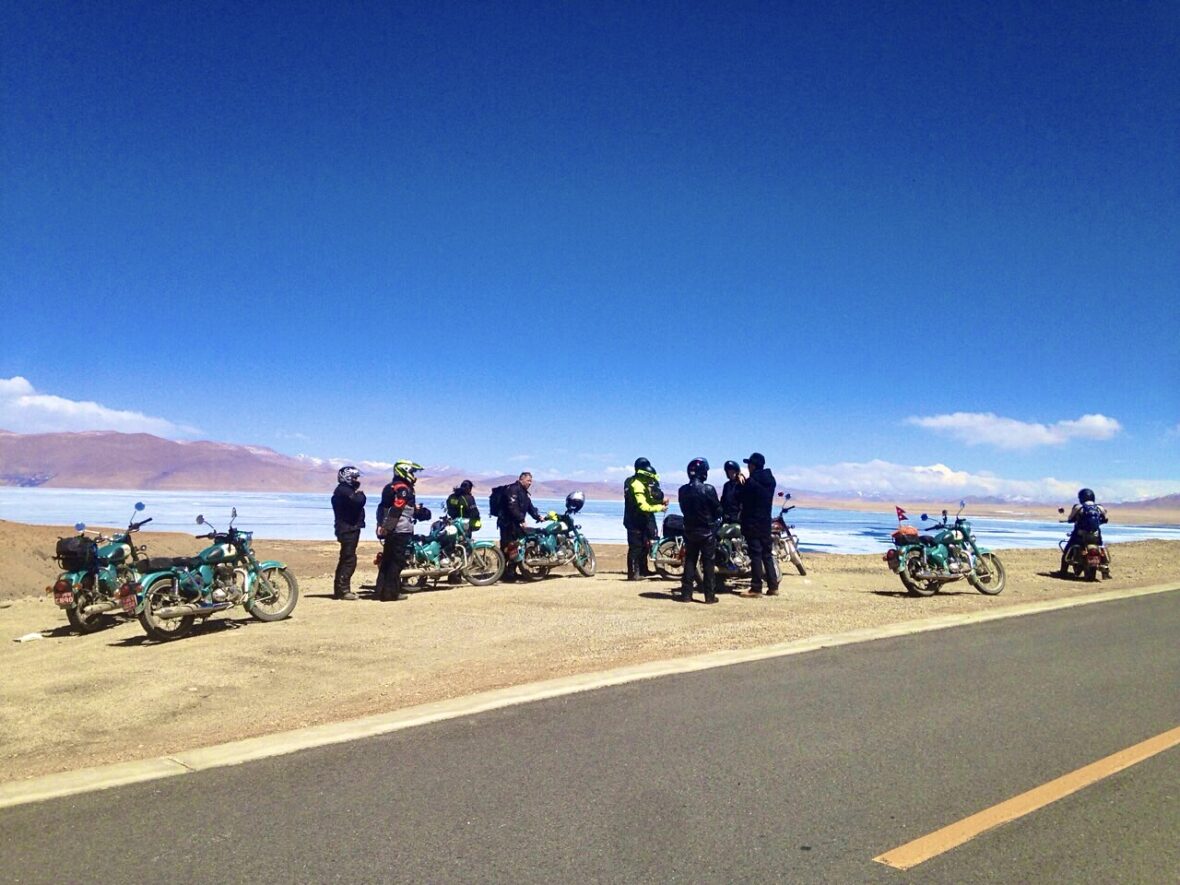
Kathmandu → Kyirong → Lhasa → Shigatse → Everest Base Camp (Tibet side)
This route includes:
- High mountain passes
- Remote landscapes
- Cultural Tibetan towns
It is one of the most iconic motorcycle routes in the Himalayas.
Road Conditions & Riding Difficulty
From real riding experience in the Himalayas:
- Roads are mostly paved but remote
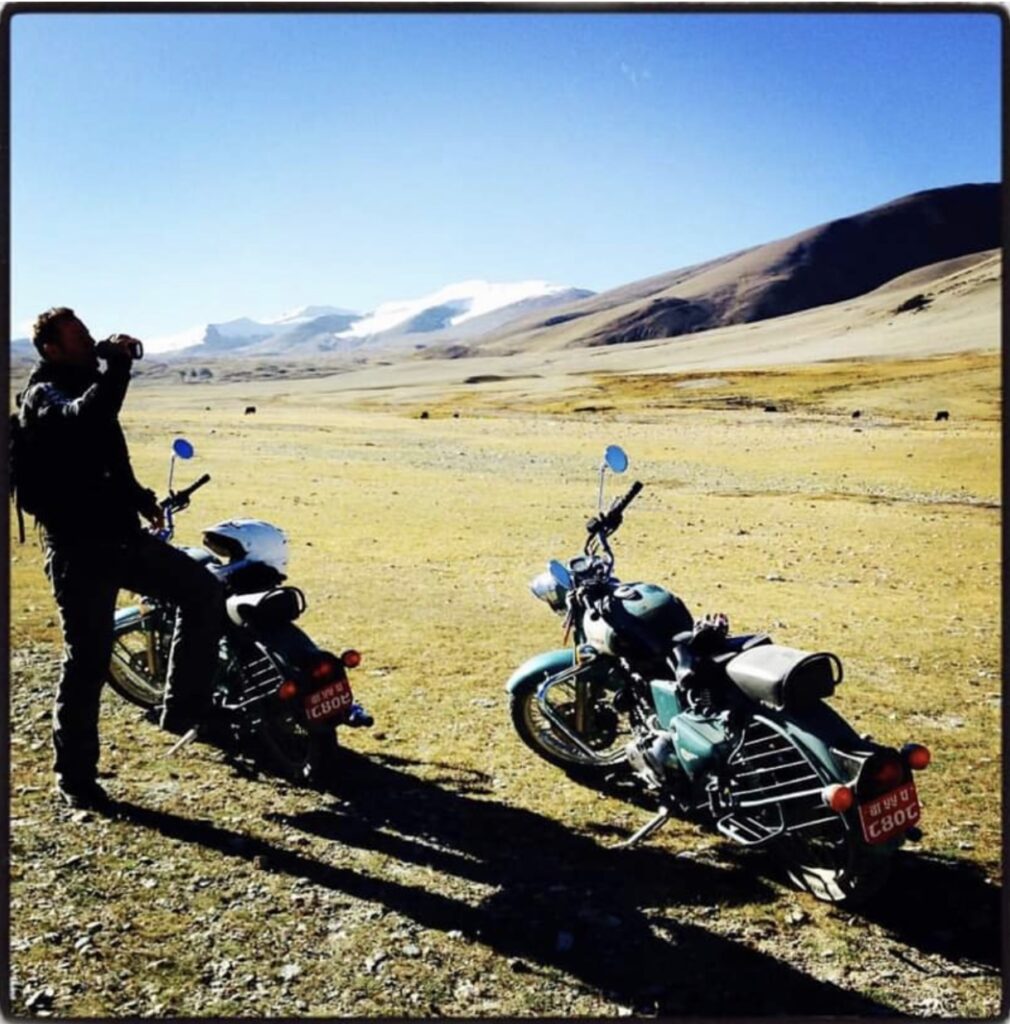
- High altitude (4,000m–5,200m+)
- Weather changes quickly
- Oxygen levels are low
Challenges:
- Altitude sickness risk
- Cold temperatures even in summer
- Long remote stretches with no services
Riders must be physically and mentally prepared.
Essential Packing List for Tibet Motorcycle Tour
You should carry:
Riding gear:
- Heated gloves or winter gloves
- Waterproof riding jacket & trousers
- Thermal base layers
Health & safety:
- Altitude sickness tablets (consult doctor)
- Basic first aid kit
- Rehydration salts
Essentials:
- Passport + copies
- Power bank
- Sunglasses (UV protection is essential)
Important Travel Rules in Tibet
Foreign riders must follow strict regulations:
- Always stay with your group
- Follow guide instructions at all times
- No independent detours
- Checkpoints are frequent
Breaking rules can result in penalties or travel cancellation.
Real Operator Insight (Important)
From real Himalayan motorcycle operations experience:
- Permit processing is the most time-sensitive part
- Weather and road conditions can delay routes
- Group coordination is essential for smooth travel
- Proper acclimatisation is critical before riding high passes
Many riders underestimate altitude—it is the biggest challenge, not the road.
Best Time for Tibet Motorcycle Tour
Ideal Riding Season:
- - May to October
Best Months:
- - June
- - September
Avoid
- - Winter (extreme cold)
- - Early spring (road restrictions)
May to October are the ideal months for attempting this unforgettable Trans-Himalayan journey.
Final Thoughts
A Tibet motorcycle tour is not just a ride—it’s a high-altitude expedition requiring planning, permits, and discipline. If properly prepared, it is one of the most rewarding motorcycle journeys in the world.
Keep in mind that you are traveling overland to highest plateau in the world; we will be driving consistently above 5000m/16400ft during the journey to Lhasa (3,650m/11,975ft) being the exception. Driving fast at such elevation could lead to medical complications (Acute Mountain Sickness) which could be fatal. There is 50% less oxygen compared to sea level in high-altitudes places like in Tibet. The higher the altitude, the less oxygen in air. Your body needs few days to acclimatize to this environment, which is why we will begin acclimatise from Kerung.
Participating in this tour means embarking on an adventurous, challenging and truly rewarding motorcycle journey-one that will become a remarkable milestone in your riding diary. It's an experience you will proudly share for years to come. The highlight of this journey is reaching the Everest Base (5,380 M/17,600 ft) located beneath Mount Everest (8,848 M/29,002 Ft), the highest peak in the world.
We warmly welcome you to join this unforgettable adventure on the roof of the world!
FAQs
Do I need a permit for a Tibet motorcycle tour?
Can I ride a motorcycle independently in Tibet?
What documents do I need for a Tibet motorcycle tour?
1. Valid passport (6+ months validity)
2. Chinese visa or Chinese group visa (if entering from Nepal)
3. Tibet Travel Permit (mandatory)
4. Additional permits for restricted areas (e.g. Everest region)
Your tour operator arranges most of these on your behalf.
How long does it take to get a Tibet Travel Permit?
Can I get a Tibet visa on arrival?
1. Experience riding in mountains or long-distance touring
2. Confidence on mixed road conditions
3. Good physical fitness for high altitude
Beginners are not recommended.
What is the best time for a Tibet motorcycle tour?
Why can’t foreigners travel freely in Tibet?
1. Travel with a licensed guide
2. Follow fixed itineraries
3. Enter with official permits
This is strictly controlled by local regulations.
How difficult is riding in Tibet?
1. High altitude effects
2. Long remote stretches
3. Cold weather conditions
4. Limited roadside services
However, the roads themselves are generally in good condition.