


Ride to Mustang Nepal: Essential Tips to Avoid Motorcycle Falls and Damage
A motorbike ride to Mustang is a difficult ride for most riders, but for some it is an intermediate ride. The road has many difficult sections, so you need to work as a team in a group, helping each other in those difficult places. Solo riders need to be more cautious.
- Do not do forced riding!
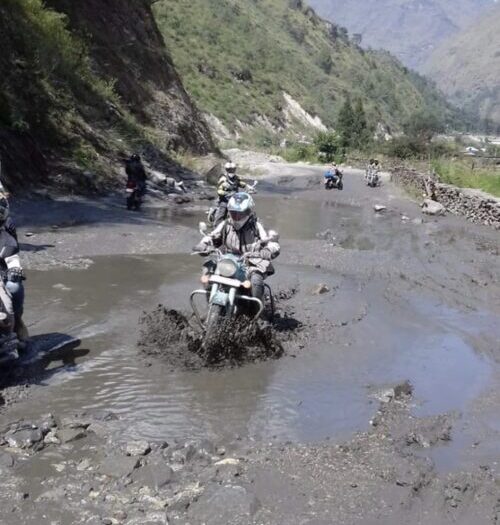
- Ride technically and carefully over difficult obstacles such as rocks, mud, sand, and water crossings. Use first gear while ascending a steep unpaved road.
- Avoid stopping in the middle of the climb. For that, look, analyse, plan, and ride.
- While descending, use the engine braking system, or for very slow descending on steep downhills, use both brakes by depressing the clutch to avoid stalling.
- Nepalese Off road is always difficult to ride, so you need to ride very carefully here.
- Bikes may fall down while riding off road if you do not concentrate on riding due to unpredictable rough terrain. Always concentrate while going through the difficult sections!
- If your motorcycle has low ground clearance, you need to take care while going over stones, rocks, big holes and crossing water. Not paying attention while riding over humps, rocks etc can break or damage underside of the engine.
- Do not spin wheel too much to avoid breakage of rear sprocket if you are riding Royal Enfield Classic.
- Avoid riding on half clutch uphill especially if you are riding Himalayan.
- Check nuts, bolts, oil level, brakes etc. before and after finishing the ride.
- Do not rush and hesitate! Help each other or seek help with a support team
How to Ride Downhill? Watch Video
Factors to Consider on the Ride in Nepal or on a Motorbike Ride to Mustang
Traffic in Nepal & Safe Riding Tips:
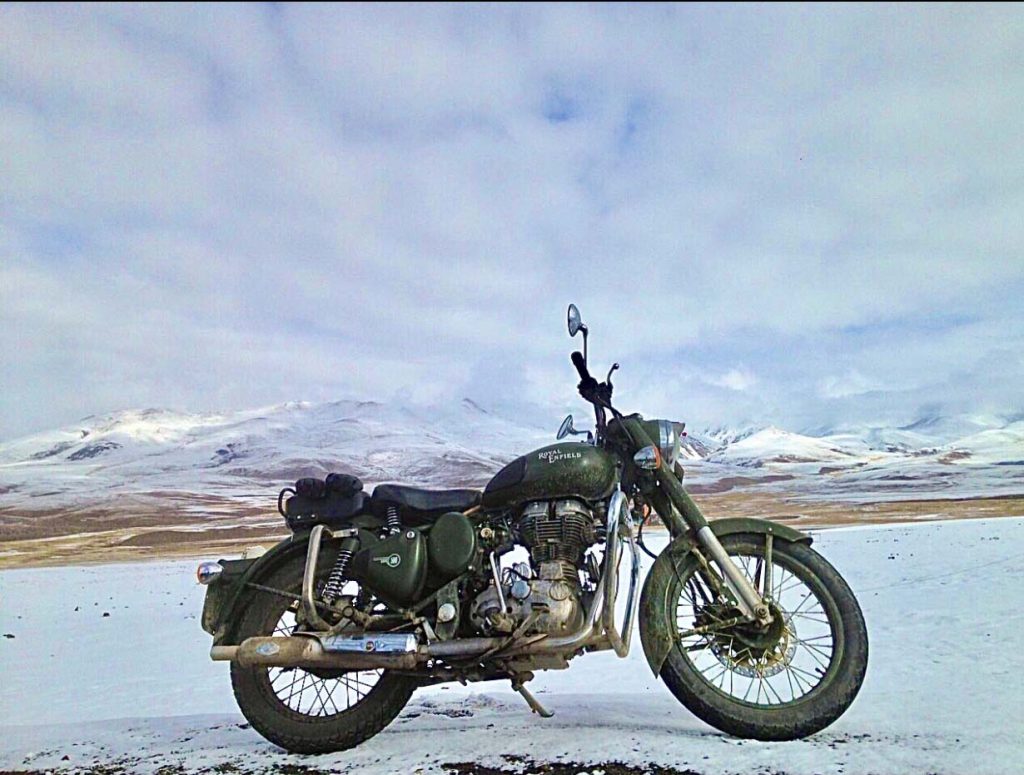
Royal Enfield 500 Ride in Mustang Himalayas
World-class traffic rules are placed in Nepal, but there are only a few people who follow traffic rules while driving, so
- Always ride defensively by thoroughly understanding the situation.Always protect yourself. Do not expect from other traffic.
- Never expect other traffic to give you the right of way. Make your own way very carefully and with good anticipation.
- Always use horn in time, when you see hazards, going around bends & overtaking.
- Always prepare to move to the left side of the road or stop instantly when you meet an overtaking vehicle from the opposite side.
- Always stay in your lane unless necessary. Think about lane discipline!
- Never ever overtake around bends.
- Never do excessive banking on any Royal Enfield, otherwise the foot rest may touch the road and you may lose control.
- Always maintain a gap and keep your braking distance.
- Always ride at your controllable speed. It depends on individual riding skills, experience, and the condition of the road and the capacity of the bike.
- Ride carefully in the cities (speed limit is 40 km/h). Get familiar with how traffic is flowing.
- Never ever stop in the middle of the carriageway under any circumstances. Always use your indicator, check traffic and pull over only at a safe place for stops.
- Follow traffic light signals.
- Always wear a helmet. If you have good riding gear, it is a clear definition of your awareness.
Police Check
Always cooperate with the police politely when you are going through their checkpoints. They are there to help, so do not hesitate to get assistance if necessary.
Parking Motorcycle
- Always park your motorcycle in a safe location during the day and lock the handle.
- At night, always park your motorcycle on the centre stand and in close proximity.
- Never leave your motorcycle on a public road overnight.
- Start and let your motorcycle run for 10 minutes, even if you are not using it every day, to make sure everything is functional for the next trip.
- To avoid unexpected breakage, never turn a motorcycle around using a side parking stand.
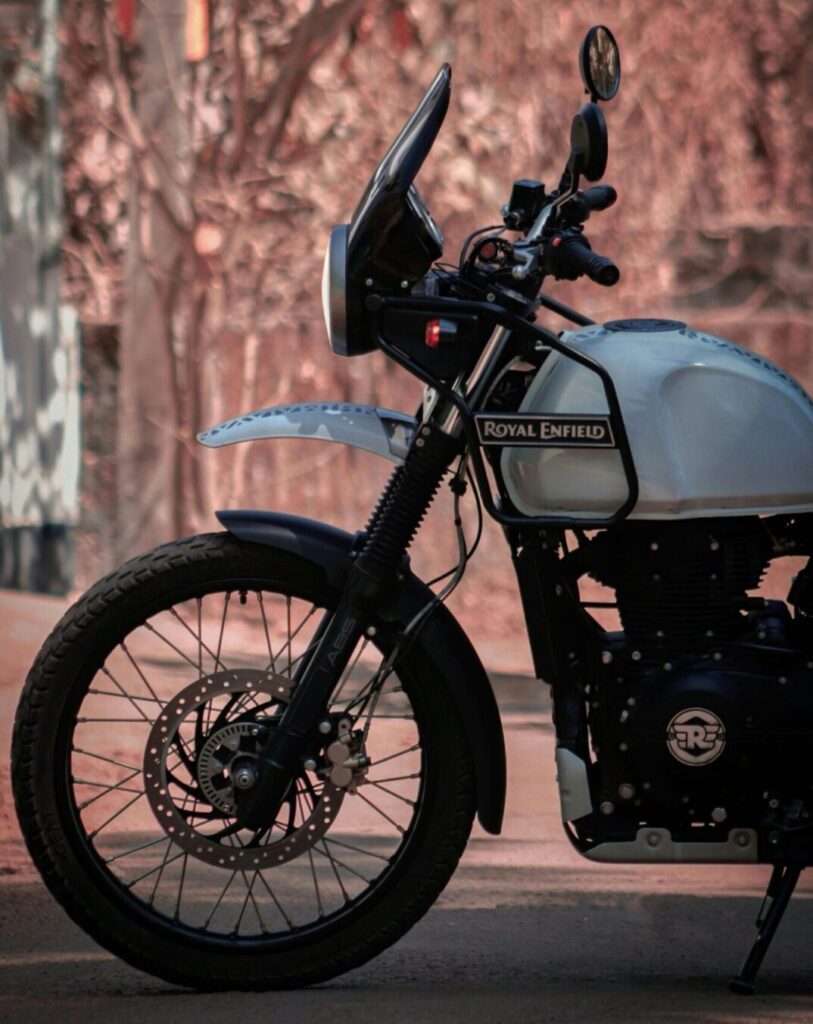
Your motorcycle accidentally stops in the journey - What to do next?
Take a deep breath. A bike stopping on the road can be frustrating, especially when you’re tired or angry—but don’t let those feelings take control. Hitting or damaging the motorcycle won’t help; it’ll only make things worse. Instead, pause, steady yourself, and remember the basic starting steps—check the fuel, battery, ignition, and switches calmly. Never leave your bike unattended, no matter how upset you feel. A few minutes of patience can save you from losing your machine or creating a bigger problem. Stay calm, think clearly, and get back on the road safely.
Seek free mechanical assistant from Bikemandu Motorcycle Club “BME”HUB
Basic tips are listed below, if you struggle with starting your motorcycle. For combustion, an engine needs three fundamentals: Fuel, Air, Electricity.
- Remove the fuel tank lid to let trapped air out of the tank. The trapped air can create a vacuum and prevent the passage of fuel from the fuel tank to the engine.
- Check the fuel level by rocking the bike left and right, sometime fuel indicator can be faulty.
- Check that the spark plug is securely connected.
- Check that the air hose from the air filter box to the carburettor or throttle body to the engine is properly connected.
- Check the electricity by pressing the horn. beeps, the motorcycle has electricity.
- If a motorcycle is carbureted, check that the fuel supply switch under the tank is not in the “OFF” position. The fuel supply switch must be either “ON” or “Reserve” if less fuel remains in the tank.
- If your motorcycle has a kick lever, lubricate the piston and cylinder wall by kicking the lever a couple of times.
- Press the start button for 2 –3 seconds after turning on the red ignition button.
Motorcycle Starts
Let it warm up for 2 minutes before the ride
Motorcycle Doesn’t Start
- Motorcycle is Electronic fuel injection and has a choke lever - Press the lever then repeat no 8.
- Motorcycle has Carburettor. Pull the choke lever at the carburettor then repeat no 8
Motorcycle Starts
Let it warm up for 2 minute before the ride.
Motorcycle doesn’t start
Repeat the procedure 8a. Use kick start for better efficacy!